

S6 E1: Facing Fears
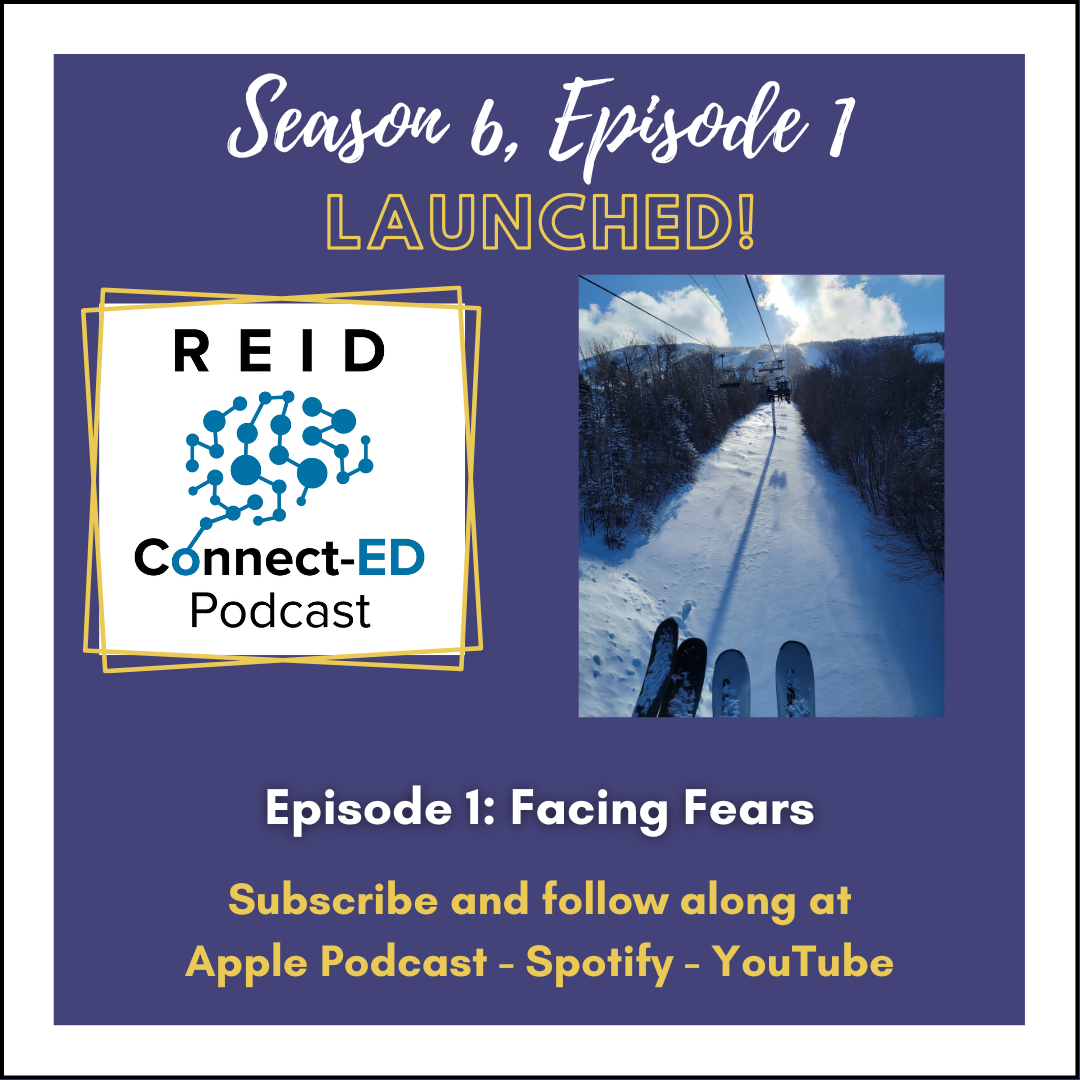
Listen Now!
-
-
There are many types of therapies that have been developed with various theories, strategies, and approaches.
Research psychologists in the field have tried to identify commonalities between all these therapies, such as Dr. David Barlow and Dr. Bruce Wampold. By doing so, we can help our field do better with training therapists.
One commonality between therapies is facing one's fears since so much of life involves avoidance, and some, like Dr. Barlow argues that avoidance is what contributes to and maintains mental health issues.
In some ways, Psychodynamic Therapy, an early therapy that continues to prove beneficial, has suggested that avoidance is a commonality across mental health conditions (which occurs in the form of defense mechanisms). Newer therapies, like Cognitive Behavioral Therapy (CBT) and related therapies (e.g., DBT, ACT, Unified Protocol) have also adopted this idea of addressing avoidance tendencies to help with mental health, in their own ways.
Even by avoiding talking about or addressing issues in our life is a form of avoidance. People consciously or unconsciously develop creative ways of avoiding. This can interfere with understanding one’s fear in the first place, and so even openly exploring issues in life is a form of exposure therapy.
Exposure therapy is the approach of helping people to face their fears in order to learn through experience, to answer two questions:
Does what you are imagining or assuming actually happen the exact way you expected?
Even if something unpleasant happens, can you still live through it, learn from it, and grow from it; and use your resources to soothe yourself, gain comfort, and recover… and how can you troubleshoot?
Exposure is NOT forcing people to do scary things. It should always be done with the consent of the patient and with a well thought out conceptualization and understanding of the person's anxiety and fear. It is also often done in gradual steps.
When we replay negative assumptions in our mind we can reinforce our fears as if they are reality.
The idea of the “Beginners Mind” fits well into the model of exposure therapy because it suggests we pay attention to what is actually happening without judgment instead of projecting and making assumptions or forcing outcomes.
Sometimes the exposure to one’s fear is facing the fear of being more authentic. People find various ways to avoid being authentic. For instance, it can be scary to simply just be rather than trying so hard to push yourself beyond limits, proving things to other people or to get attention, or over-doing aspects of life; and in fact, the exposure here would be facing your fear of just ‘being’ and acting as though that is enough. Acceptance and Commitment Therapy suggests we follow our genuine values rather than acting out of our fears, which can lead to doing things that are not actually important or valued, especially in the long-run and in the big picture of your life.
Many forms of therapy involve facing fears if we were to consider how avoidance plays out for people. For instance, people find endless ways of avoiding things in life - avoiding problems, avoiding asserting yourself, avoiding feelings, avoiding conversations, avoiding exploration, avoiding memories, avoiding trying something new, etc.
Dr. Barlow’s Unified Protocol (UP) suggests we have emotion-driven behaviors that contribute to avoidance. For instance, fear activates an urge to run away from something, which may not be helpful in the long-run despite feeling good in the short-term (e.g., relief). Emotion-driven behaviors may lead to impulsive actions, like doing something to fit in out of the excitement to belong with others despite it being unhealthy or dangerous in the long-run.
It is important to recognize the nuance of what individuals are actually afraid of - what the fear actually is. For instance, a person who appears to be confident and outgoing at a party (e.g., the ‘party animal’) and gets a lot of attention may actually be acting out of fear of not being liked and their emotion-driven behavior may actually be playing the part as the ‘party animal’ to get attention due to fear that not playing that role is ‘not enough’ to be liked. And so, working with patients, it is important for therapists to be thoughtful to consider the nuances of a person’s fears and what they are actually afraid of happening.
Oftentime, people are afraid of being judged but this fear plays out in subtle ways. Fears can include concern about disappointing others, which can lead to overly sacrificing yourself. Other fears could include concern about saying ‘no’ to something that is not with your values just to fit in or not be ostracized.
There are many ways people overcompensate for their fears, which may allow them to ‘get by’ and survive it but not actually enjoy, feel, or get something out of experiences.
Resiliency may be as important as persistence, since persistence may not be helpful or adaptive in the long-run in certain contexts and situations. Persistence may actually be an emotion-driven behavior; avoidance of taking time to stop, process emotions, and recalibrate. Resiliency may simply be processing emotions that are avoided or brushed over, so you can carry on more fully rather than just ‘white knuckling’ it through challenges, fears, and hard times.
A way to face fears is to do it in a gradual way. Break it down into smaller steps that feel more manageable rather than forcing yourself to “white knuckle” it through the experience without learning anything and just surviving it.
To support another person in their exposure you can narrate what you're noticing in their behavior and emotions nonjudgmentally, validate it, and evaluate by looking for alternative perspectives.
Sometimes an exposure is simply to be open minded without the need to know everything and allowing other perspectives to be taken in. This may help with insights and solutions to come to you naturally.
-
Gerald Reid 00:18
Music. Welcome to season six of the ReidConnectED Podcast.
Alexis Reid 00:22
Wow, season six already. We're so excited to be here.
Gerald Reid 00:25
Yeah, it's been a long road, and the vision of this podcast has come to fruition. We're in the sixth season now, and we hope that people are really benefiting from the information we're trying to get out there as a free resource on topics like mental health, education, learning, executive function and sport and performance psychology.
Alexis Reid 00:42
So many aspects of life. And today, we're joined in the studio by Raphael the vizsla, who hopefully is okay over there. Our producer Rob is taking good care of him, but hopefully you can feel the love that he exudes anytime he comes around.
Gerald Reid 00:57
In this episode, Alexis and I, we're gonna dive into talking about the idea of facing one's fears as a common factor that makes all different therapies beneficial, so meaning that it is actually helpful for mental health regardless of the type of therapy that you're using. In the field of psychotherapy, there's a lot of different types of philosophies, strategies, concepts that are built into different types of therapies. There's cognitive behavioral therapy, there's psychodynamic therapy, interpersonal therapy, exposure therapy, dialectical behavior therapy, Acceptance and Commitment Therapy. There's so many The list goes on and on and on, and so some people in the field, including those at the Center for anxiety and related disorders at Boston University, such as David Barlow, among others, such as Dr Bruce Wampold, have spent the last several decades trying to look at these common factors that cut across all different therapies, meaning that regardless of the type of therapy using, there's something underlying all these therapies that make therapy beneficial to people. Because at the end of the day, we can't truly say this is exactly why and how therapy is helpful to a particular individual. We have hypotheses, we have theories. And so people like Dr Barlow and Dr Wampold have really tried to look at these common factors that, regardless of the therapy using, what makes them beneficial, because at the end of the day, both these specific factors in terms of what therapy using could be useful, and also these common factors are also useful. And so today we're going to focus specifically on the idea that facing one's fears, and the term for this is exposure therapy, right? Is, in fact, something that cuts across all different therapies. I'm going to make an argument, and many people have made this argument that you know, facing one's fears is essentially what happens in a lot of different therapies, regardless of what you're working on. Because you know avoidance of things, avoidance of talking about experiences, avoidance of confronting challenges in life. You know, avoidance of literally anything is in some ways, consider what maintains or even influences mental health challenges in the first place. So we're going to talk about how exposure therapy, right, facing one's fears is an essential part of all different types of therapies, regardless of what type of therapy you're in. And I'll try to, you know, give some examples, and talk about some real life examples of what this looks like and how it might apply to a person's life, right, whether you're in therapy or not.
Alexis Reid 03:23
So even though this is your bread and butter, right, this is really the focus on of a lot of your training, as well as your professional career, and the way in which you train the therapist and training that you work with at Boston University in your professor role, this also plays a role in the work I do. You know, even though I'm not a clinical psychologist, I'm constantly exposing the people I work with, the things that sometimes they've been avoiding or that might stress them out, or that might feel uncomfortable. So as we go through this conversation, you'll hear a lot of different examples of how this might play out some of the conceptualization that you and I, both from a research, theoretical perspective, have learned about why this is influential and helpful for people in their journeys, but also through anecdotes of our careers. You know, both myself in the classroom and in private practice, as well as working with adult learners when I'm training educators or people working in a field. But all of it about, is it about, you know, basically what we talk about here on the podcast. Can we be curious? Can we be open? Can we be well? Because that brings it all together and allows for us to face our fears, face the things that might be challenging us. And you know, fear, like trauma, I would say is like capital F, lowercase f, there might be things that are really fearful, that we're really frightened by and stifled where we stop in our tracks. And like maybe other aspects of life that might be more of like a lowercase F in fear. Or where, you know, we can tread lightly and kind of just get outside of our comfort zone. And I think this is the way we're conceptualizing things today. It's gonna be a really cool conversation, and we're looking forward to you joining us.
Gerald Reid 05:12
Yeah, I love the way you put that excited for this conversation. You
Alexis Reid 05:23
okay, so, Jerry, you know, I vividly have this picture in my mind when you completed your doctorate, right? And I don't know if I was more excited or you were for you completing your doctorate and getting your degree, because I was just so proud of the way in which you approached everything you did. Jerry dove so deeply into everything, and I'm pretty sure you have countless notebooks and word documents outlining every book you've ever read, most articles you've ever read, every lecture you've been to. Because not only did you want to absorb the information you were exposed to and really make the most out of this opportunity, which you know is an incredible privilege and opportunity to even step foot into a doctoral program, especially at BU and working at card through your training there and other places too, that we'll talk about, but you wanted to be able to absorb all of the information and make sense of it through the practice and the work that you were doing to really honor your patient and clients experiences, I think, more than anything. So, you know, maybe we'll use this picture of when you finished your degree, and I have a sign that says, What's up, Doc, because I was so proud of you, and it wasn't just about the degree and the title, because you and I really aren't into that stuff. It was more about the journey and the culmination of this next phase of your life. And it was so cool. And you know, I know how much you sacrificed to get here, and you continue to take every day of your work through that same lens of, how can I best honor the people I work with to better help them? So when we go through this conversation, this is not superficial at all. And of course, like anything, there's gonna be different perspectives to what we talk about here today that other people can probably add into the conversation, no doubt. So you know, I want everybody out there to understand that we're going to be talking about this in a very deep way, because it's what we think about all the time, and not just in our professional careers, but also, personally, I think, I think this is we try to be and show up as the best versions of ourselves, and we do that through learning, through our own experiences and also the experiences of others. So here we go. Gerald, tell me a little bit about from your perspective, your experience in being a doctoral student at BU and studying through some of the world renowned masters at card and all the influences you've had to get here to bring it all together.
Gerald Reid 08:02
Yeah. Well, I appreciate everything you said and shows how much you we care about each other, that you can pick up on the nuances of my life experience. So I appreciate it. And funny enough, literally, this week, jumped on a virtual call with someone, and the kid jumps on the call, and he goes, first thing, he says, what's up Doc?
Alexis Reid 08:23
No way. Not planned at all.
Gerald Reid 08:26
Synchronicity there. Yeah, yeah. So I did my doctoral program in Counseling Psychology at BU, and the clinical psychology program at BU is where center for anxiety and related disorders is is housed, and just an incredible training program. So it was started by Dr David Barlow, and I mentioned him, right? Because he is one of the pioneers in the field that have tried to say how a lot of the different types of things we're doing with all these therapies, we need to help the field do better with training, right? Because there's so many therapies out there, you can go through a whole list of all these different therapy manuals and therapy approaches and skills and techniques and strategies, and you know, he's basically suggesting that it's too much for a clinician to learn everything, and also is it even necessary to know all these different types of therapies, or, as we're saying before, are there commonalities between them that we can just focus on and say, Hey, these are the this is the most important core elements of what makes therapy helpful. Again, we also have the humility to not truly know what makes therapy helpful for every especially for each individual who's different, right? And in many ways, psychodynamic therapy is, in some ways like this, right? That there's kind of commonalities among human beings, and psychodynamic therapy is actually, I would say, the first type of therapy that really try to look at common factors, right? And so at card my training, I was. For several years, there's a heavy emphasis on the fact that avoidance maintains mental health problems. So you can think of avoidance in any type of way. We avoid conflict, we avoid addressing the problems in our life. We avoid we avoid thinking about things. We avoid in the most subtle and overt ways any type of avoidance, right? Sometimes avoidance is healthy and necessary to survive. But, you know, there's that healthy balance of too much avoidance can can maintain our problems because we never actually confront the things that we're afraid of. And the idea is that when you confront something you're afraid, if you learn through experience, you learn through experience. What is more, more in terms of what's reality. So as a classic example, right? Someone's afraid to go on the bus. They have a fear of being on a public transportation, right? And who knows where that fear came from, maybe something bad had happened, or maybe they just have an imagination that imagines horrible things happening, right? And so if you're really want to get over that fear, the idea of exposure therapy is gradually help you to do the very thing you're afraid of, and you learn through experience. Is the thing that you're afraid of. Does it actually happen? And number two, if something bad does happen, can you still cope and live through it? Can you use your resources to find comfort, to find support to learn from that experience for next time. So there's really two questions that exposure therapy answers. Just want to set the stage for this episode. The first question is, is what you were afraid of? Did it really happen the way you expected it to? Because we're always imagining, projecting, you know, assuming things about life, about other people that may not be completely accurate. So the exposure helps us to test those assumptions right in real time. And then the second question that exposure therapy answers is, even if something unpleasant happens, like, let's say you confront someone and then things get kind of messy, right? Which is like, Oh my God, I don't want things to get messy, right? People say that a lot, I'm afraid to speak up. I'm afraid things will get worse, even if that does happen through the exposure. Can you still live through it? Can you still use that as an opportunity to learn from it and to grow from it, and also to comfort yourself and to use your resources, like I said, to find comfort, because life is going to come with those unpleasant experiences that we need to learn how to soothe ourselves and get comfort.
Alexis Reid 12:23
I talk to students all the time because I often coach them through, you know, thinking about different pathways when we're trying to build cognitive flexibility from an executive function perspective. And a lot of you know, just just yesterday, a college student said, you know, what happens if I try this thing, and it's, you know, the worst case scenario, I end up having an experience like I had before that just really was terrible. And I said, Well, what happens if it's the opposite? What happens if it becomes your most memorable experience? What happens if it becomes something that is positive and makes you feel good. So it's so interesting how we can construct these mental images and scenarios in our minds that may or may not exist, may or may not even play out the way in which we're conceptualizing them.
Gerald Reid 13:13
Yeah, it's so true. And I mean, we're predictive species, right? We want to predict because it's protective, right? You asked me in an earlier episode, why do we always think about the negative things that happen our life? In some ways, we're using all this potentially, quote, unquote negative information to protect ourselves from something bad happening. We're protective species. We're vulnerable, so we're always looking to protect ourselves. That's why we're always, you know, trying to project the future.
Alexis Reid 13:40
Yeah, and I imagine too, from like a neuro developmental perspective too, that if we're constantly replaying the thing that went wrong in our head, we're strengthening those neural connections, right? So that makes that memory stronger in our minds, which inevitably, and you could take it from here, reinforces the fear of this is going to happen again, or this could happen instead of thinking about the alternative option and again, going back to executive functions, because that's, you know, my specialty is, you know, a lot of young people when they don't have experiences. We've said this on the podcast many times before, and there are not enough data points. We only know it's hard for us to see different paths, different outcomes that maybe aren't as bad as we can dream up in our minds and think of the worst case scenarios
Gerald Reid 14:31
Absolutely, and it's a self reinforcing cycle, right? The more you avoid something, the less you trust yourself, the less you trust that you can do something right?
Alexis Reid 14:40
I'll give you a scenario. I feel like I'm doing mini exposures every day When Raphael is in Boston with me, because he's not quite a city dog. He grew up and spends a lot of time on Cape Cod with mom and with us. I feel like every single day I'm coaching him through. New exposure right now, he's just a room next to us, but he's really nervous that he's not right by my side, even though he's in very good hands and doing okay. It's an exposure, right? It's it's a little bit uncomfortable for me and definitely for him, but we're working through it.
Gerald Reid 15:21
Yeah. And this is a good example how why exposure is helpful if you do it in a thoughtful way. So, like, sometimes, like I said, sometimes you try something, and you kind of have to live a life like trial and error and see what works and doesn't work. And so exposure therapy is not just putting people in a situation that makes them extremely uncomfortable, and just like, making that the status quo. So part of exposure therapy is actually trying to realize through the experience how to troubleshoot, how to make adjustments in life. You know, because, like, as a parent, right? For example, with a child, you don't want to just, kind of, like, force them into a situation where they're just like, crippled with anxiety the whole time, because that's not fair to the child. It's also not teaching them anything. They're just like, they're just surviving it right, like, we call it white knuckling, where the child is just, like, squeezing their fists together, just surviving it. But they're not experiencing anything. They're not they're just getting through it and and so, you know, part of exposure therapy is to try to see what is reasonable for the person. And I think a misconception of exposure therapy is just kind of force people to doing things they don't want to do, and expecting that things will get better. Because, you know, that's also why a lot of therapists don't use exposure therapy. They feel like it's unfair, they feel like it's unethical, or they feel like it's not humane, right? But the reality of, if you're really doing exposure therapy, that's not the way you're doing it. First of all, you never force a child or a person or patient to do an exposure they don't want to do that they're not willing to do. So it's a really important point to make about, you know, the public understanding exposure therapy, that there's always consent involved, right? The child, the patient, whoever's involved in the therapy, understands why we would do it, and also is willing to try it through their own volition.
Alexis Reid 17:11
You know, I want you to kind of unpack that a little bit more, and I don't love that word, but I also want to point out that if we continue along the same paths that we do, there's often a comfort there, which makes it feel safe to just do what we do in our day to day. But sometimes when we reinforce behaviors in that comfort zone, it might limit us. So there's two sides. And I talk about and think about this a lot. I probably think about this more than I talk about but sometimes it's okay to kind of just be where you are, to be in a comfortable space. I think that we're in a society now that everybody thinks that we need to constantly push to do better and be better. Yeah, you know, we're inundated by social media saying you need to do this and that, and, yeah, you have to be the best version of yourself. And no doubt, I want people to be able to live their purpose and feel their agency and empower them. But sometimes it's okay just to be as well. So I want to, you know, also broach this whole conversation and thinking about sometimes we're okay where we are, and when our our journey and our life path gets to a point where maybe there's a new chapter, there's a new change, a new transition. This is where exposure therapy can be really helpful, right? The things that are uncomfortable, and notice how it impacts your life, how it impacts where you are. And then you get to decide, like you say, you know, you get to decide what you want to work on, where you want to go. And this is where I think exposure therapy, or just, you know, taking small steps, baby steps, little exposures yourself, can be helpful, yeah.
Gerald Reid 18:54
And there's definitely a connection to the idea of the beginner's mind, which, you know, comes from Buddhism and mindful meditation, right? The idea that you're trying to be open to just what is rather than trying to project what you think is going on or where you're assuming. And so exposure therapy, in some ways, it's just kind of, you know, seeing what's really going on and responding accordingly, you know, in a natural way, right? You're not trying to force something, you're not trying to make something what it is, and you're trying to work with what is right. So, as you're saying, you try to do something, and you get out of your comfort zone, you kind of test the waters, and then, you know, it's important to not get stuck in, like, oh, like, this is how it has to happen. This is how it has to go. You'll see that a lot of your students right, with perfectionism, right? Okay, I tried something, but it didn't go exactly how I wanted it to. And so if you're going to do exposure and try something new, and you have this expectation that it's got to go a perfect way, that's also not the best way to do exposure, right? Because you know, you're going in with these preconceived notions of how things should go, how they're supposed to go in a lot of ways, exposure therapy, this is how it's a common factor across therapies, is you exposure. Self to not doing that, you expose yourself to being open to what's happening. And actually, that's how you really do better with problem solving in life, because the ideas sometimes just come to you when you're not forcing it. You know the best, I want to say the best idea, but the idea that makes the most sense, or that's most natural, that's going to help your life kind of flow naturally, and kind of things will grow and evolve, you know, more naturally. Sometimes those ideas come when you're not forcing it. You just kind of, you're open to what is you know, as I said a lot of times, John Wooden once said, you know, what's right is more important than who's right. Try to be open to that. And I think, you know, with you and mom, I try my best to be open to your ideas, because I have, I've learned over the years that, you know, sometimes I don't have all the perspective on something, and that's actually, like, good to be humble about that and to realize that they may have an insight that really helps me to, like, make a small adjustment. And it just completely opens up the whole roadway. And I got the, you know, I can hit the gas and go, go forward, because things open up for me, right?
Alexis Reid 21:05
Mom calls it, take the bull by the horns. Take the bull by the horns, right?
Gerald Reid 21:09
But sometimes you guys have really great ideas, and I really respect both of you about that you have really good ideas that because you have different perspectives. And so for me, exposure therapy is and this goes for literally everyone, because I think most people are have a hard time being open minded right, because we all want to be right. We all want to not admit that we don't know something. And this is why all therapy is. Exposure to therapy is to be open. When you're open in therapy, that's when you know the growth happens, and to be able to expose yourself to being open, not feeling like you need to know everything.
Alexis Reid 21:40
So we didn't plan this, but I'm gonna have you walk through what you would do for me in a situation I just experienced. Okay, so when I'm working with teachers and parents alike, there's there's this thing I like to share with them. It's kind of an exercise activity, but it's like you observe a behavior that you notice is maybe not working out well for the you know, the student you're working with, for your child, for somebody in your relationship to it doesn't matter what age you are, but you observe something that maybe is maladaptive, not working right? And I don't use maladaptive when I'm talking to clients, I'll say, you know, what? Is this not helpful for you? It seems like this pattern is not helpful. So we observe, and then we validate. The next phase is to narrate. Like I noticed that you were seeming kind of worried when you started that project, when you were going to talk to somebody new, whatever the case might be, to narrate and kind of give the person who's experiencing a challenge a little bit of perspective of what was observed with no judgment, simply narrating the situation. And then the next phase is to evaluate, and if they're open to it right, like, Hey, can we evaluate? What else is possible? Can we think about and maybe problem solve together, or maybe just in that that process, the individual who is challenged sometimes see things, sees things more clearly, and can put the pieces together and know what to do on their own. That's the ultimate goal, that we're not telling people what to do, but that they can actually find that clarity, that openness to see what else is possible in their own experience. So here's here's my example already. We went skiing recently with a bunch of friends, and you all are much better skiers than I am, and I recognize that, you know, quote, unquote, I can ski. I've skied before. I skied some pretty tough trails, and I held my own. I did okay, but I realized that I haven't skied in a while, and I'm like, You know what? Maybe I should take a lesson today. And I had to take that beginner's mindset. I had to say, you know, even to the instructor who said, pretend I've never skied before. What would you tell me? How would you coach me? Because in my mind, I was giving myself an exposure, right? Like, usually I'm like, I could do this. I can hang because I have skills enough to compensate and get by, which is the majority of the people who are facing their fears or wondering if they should face their fears. We can compensate. We can get by enough people who have, like, a baseline of skills that are pretty competent, can do a lot of things. Doesn't mean we're facing our fears all the time.
Gerald Reid 24:33
This is a great example, and I think this is the nuance of why therapy is helpful. In your example, the exposure people might say, Oh, the exposure therapy for you is, go on the blue go on the diamond, go on the Black Diamond, right? Do the harder trail, yeah, and push yourself. Yeah. That's the assumption of what their exposure therapy is. Because I've done it before, why not do it again? Right? Like, don't be so scared. You know people, he's just, oh, just do it. Don't be a baby, right? Don't do it, right? Do. But the nuance here is that actually the exposure therapy, for you and for a lot of us is actually to be vulnerable. And the vulnerability is, I don't need to prove that I can do something or push myself beyond my limits. I can actually be okay, just kind of, you know, getting back to the basics, because that's what I need right now versus what I want to, quote, unquote, prove or something, right? Because what would you have gotten out of doing the much harder trail like, I mean, maybe you had some sense of accomplishment, right? But there's also a risk that you could have got hurt or injured or something like that, or just white knuckled it down the hill and didn't enjoy it.
Alexis Reid 25:36
Well, here's an important piece, because I think this is prevalent across a lot of people's lives in different situations, there would have been a sense of community. Yeah, I was like, I was white knuckling it, yeah, to be with the group totally right, to hang to be able to, like, be a part of what everybody else was doing exactly, even though I didn't feel comfortable. Yeah, I maybe wasn't confident in my skills which could have made me vulnerable to hurting myself, yeah, right. And I weighed all those options, and I was like, you know, what do I actually need in this situation? And this is, I'm mentioning it not only because I think it's a good example to talk through exposure, and I want you to actually tell me what you would do if you were, you know, building me up to that moment, yeah, but also because this is a big deal for me to be like that humble in this setting where I, one, have done this before and I was okay, and two, really choosing what I needed for myself instead of what other people wanted me to do or what could have been a social experience that I appreciate so much.
Gerald Reid 26:40
Yeah, I mean, the exposure is having boundaries for yourself, right? And I know your personality is you want to push the limit. You want to try everything. You want to, you know, explore and do everything that's part of your personality. And we all have that's not a that's not a bad thing. That's what you know. That's why I admire you so much, right? But we also have to balance ourselves. And so for the exposure, you know, it's to accept limits, right? And to be okay with that, and to sit with, oh man, my impulse is telling me I want to do this, right? That's why, you know people who have impulsivity issues, it's like, actually, maybe the intervention is not, you know, to do exposure to realizing why they want that so much. And to say, Wait, let me try to not do that and see if it's actually okay. How can I value what I have versus what I feel like I I want or desire? Right?
Alexis Reid 27:31
It's the majority of the work I do with, with the clients I work with, who are very impulsive, yeah.
Gerald Reid 27:37
And it's also, you know, an exposure to gradually getting better at something, which, as you said, you know, a lot of society has a hard time taking step by step to getting somewhere, because the context for you is, you really haven't skied a lot over the past two decades, right? You have, we've you skied a bit, but, like, what you needed was just more foundation to build up to it. It doesn't mean that, like, I wouldn't say to you, don't ever do blue or black diamond skiing wise, right? Don't, don't do the I would never say, never get there and always feel left out, but get there at your own pace and feel good about yourself. And again, I feel like everyone I work with, the idea is help people to feel more comfortable being themselves, have a more sense of security just being themselves. And this relates to all the perfectionistic tendencies people we work with have. They feel like they got to fit in by being perfect, by doing everything the best, never admitting they don't know something, never admitting they can't do something always like just completely, you know, sabotaging their well being because they're they're doing they're pushing themselves too hard, right? It's a perfect example of like, let's help you to just be more genuine and authentic. You know, people trying to impress other people getting trying to get attention. You know, people trying to, you know, romantically, get with someone who's not even a good fit for them. They're just trying to prove that they can, you know, get someone or get someone's attention right for the wrong reasons. For me, the expo, this is why it's across all therapies. A lot of therapy is about being more authentic to yourself and trusting that that's enough. And I'm not suggesting that you just tell people go do that. A lot of therapy is exploring a person, helping them to explore themselves, understand how these patterns developed in the first place. Helping people feel comfortable opening up just by your presence, I try to help people that just feel comfortable opening up, as you said before. Just want people to feel comfortable, and the answers will come. The answers will come naturally between the conversation we have.
Alexis Reid 29:35
So a lot of times, when I'm working with educators and parents alike, I remind them that the students and their children, they often look at adults and just see all that they do. Yeah, and it happens with me too, right? I use I've said this before on the podcast, and I say this all the time. As an educator, I make mistakes on purpose and and I emphasize them, right? To show that we're all vulnerable and we can all make mistakes, and when I don't know something, you know, I name that, right? And I didn't always do this, but it's so important to, you know, pull the curtain back and let especially young people again who haven't had the exposure and experiences failing and getting back up again or trying something new and being okay with like, oh, that just wasn't for me. I'm glad I tried it, though. Now I know Right, right? This is something that often stifles a lot of development, stifles a lot of people's experiences and exposures to things. And you know, it could be difficult to acknowledge and realize. It can be difficult as an adult in the live of life of a young person, or a coach in the life of an athlete, to pull it back and be like you know this happened to me before I can tell you a story, you might be able to hear that it's something I experienced, but we don't really own and accept it until we've experienced it ourselves. So it makes it difficult sometimes, and it often makes us as adults in the lives of young people, actually be really vulnerable and do an exposure for ourselves to admitting that we've done something wrong. And it's not just about like saying, hey, failure is okay, because I hear that a lot in schools, and I love that we're talking more about making mistakes, but we need to actually model that and model the resilience piece of it, because there's this really nice body of work, I'll cite it in the show notes that people in more performance psychology are really talking about the difference between perseverance and resilience. I like that, and this idea of, like, perseverance, like you just keep going, right? And sometimes that actually can be harmful. I see this a lot in our perfectionistic characteristics that show up for a lot of people, that you just keep going and going and going and, you know, everybody says it's great to have grit and persistence. Motivation is a wonderful thing, but at what expense? Yeah, right, at what point do we go too far and do too much because we think we have to, versus resilience, which I like to emphasize a lot in saying I don't care about what happened as much as I care about what we learn from it and how we repair or move forward from it. And you know, this is not to say persistence isn't bad. It's just to, like, be aware of what we're doing and how we're doing things. So I'm gonna, I'm gonna, I'm gonna be the patient for a moment, right? You know? I'm gonna come in and I'm gonna say, you know, Hey, Doc, listen, I'm going skiing this weekend. We're going to a mountain I've never been to there's gonna be a lot of expert skiers just on the mountain, because people who live around there really love to ski. You know, all the Mainers that are up there skiing every day, which would be amazing, but I haven't skied in a long time. I maybe ski once or twice a year, and I know I've got some skills. I've skied harder trails before, but the people I'm going with are exceptional skiers. They ski all the time. They have no fear, even the kids, that's true, right? And last time I was with them, we did some hard trails, but I was pretty scared, and I knew I probably shouldn't have pushed myself, even though I got the right you know, what advice would you give me to getting on the mountain and paving my own path, as I'm planning for that weekend.
Gerald Reid 33:24
Yeah. Well, let me ask you the first question, what is it like to see those other people doing those amazing things on the slopes?
Alexis Reid 33:31
Makes me feel good that they find such joy in their skills and in doing what they are doing to be able to ski that way. But I will say, when I'm a miss them, when I'm like, in like, the experience, like, I get nervous when they come down so fast and they're so skillful, and then it makes me, like, feel less confident in my own skills.
Gerald Reid 33:53
So part of you feels like it's really amazing, what a great, joyful experience they're having. Sounds like you wish you can have that with them totally. And then other part of you also feels like, well, it's a little nerve wracking because you're not them. They have a lot of confidence, but you don't have that confidence quite yet.
Alexis Reid 34:10
Yeah, my prefrontal cortex is way too developed to be able to be so uninhibited that I'm like, I'm just gonna go for it, definitely, in layman's terms, you know, like, yeah, like, I wish I could just go out there and not be nervous about messing up. Yeah, I can, because messing up might mean I could, like, break a bone or have a concussion and or hit a tree. Like, there's so many things that can happen.
Gerald Reid 34:34
Okay, tell me how it and this is like, I'm narrating my thought process as a therapist. So at this point, side note, at this point, what I'm trying to do is a thought bubble. At this point, I'm trying to help the person to explore and sit with, as you said, Sit with those emotions of missing out and because a lot of times people act impulsively or do. Things against their values or what they really want, because they just react to their feelings immediately, rather than sitting with those uncomfortable feelings. Because that's, you know, part of exposure therapy is just sitting with your emotions. Because if you don't, you're not truly exploring yourself, you're not truly thinking critically, you're just reacting. So, Okay, cut.
Alexis Reid 35:20
So bubble popped.
Gerald Reid 35:23
So tell me about what it feels like to see them doing those amazing things, having that community really enjoying themselves. Tell me like, what that feels like for you to miss out on that
Alexis Reid 35:35
you know, part of me thinks gets kind of angry that, like we didn't do more of this when we were younger, to do these kinds of activities and sports, and some of like, my feeling is, like, kind of anger that, like, we didn't have the opportunity to grow up doing this every weekend, because mom did when she was younger. And I, I'm, like, so happy that she had that experience, because I have had that joy before, where I just, you know, was an open trail, and I was able to, you know, ski a harder trail, and it felt great when I was able to do it when I was a little bit younger, and I did it more often. So there's a little bit of anger that, like, I wish I could have done this more. And then there's also, like, the like I said before, this joy, like, I love seeing people, especially people I care about enjoying something they love to do, right? So there's like, this conflict of like, okay, I recognize I'm realistic about where my skills are, because I know I haven't had so many experiences leading up to this moment. But then there's also this like idea of like, I can compensate, I can do this. So why don't I just try it so I can be a part of it with everybody else, and maybe some of their joy will spill over to me, even if I'm nervous.
Gerald Reid 36:51
So I'm gonna step cut for a second, thought bubble of a therapist. I'm gonna keep trying to fulfill the context of why this is so important, why these emotions are coming up. I think a lot of times when we talk to someone about their emotions, we try to solve the problem, or try to just act as if, okay, they feel this way, and that's it. So part part of therapy is giving a larger context around where these emotions come from. So I'm going to try to contextualize the emotions more, because that's validating, right? We don't want to just say, Oh, you feel bad. Get over it. We want to try to validate why it makes sense. This comes from dialectical behavior therapy. This comes from a lot of therapies, right? And parenting practices is try to validate why it makes sense the person feels the way they feel. Because if you're going to dismiss their emotions or just say, get over it, right? That's not going to help them to process their emotions. And in fact, as you said before, resiliency, in my mind, is actually just processing your emotions. And it's not enough. Sometimes to say, just get over it. Just keep pushing through persistence, because you're not truly processing how you feel. And sometimes we have to get through those emotions. We got to understand them more deeply, to have insight, to recognize them, to let them out, to have catharsis, to feel like someone understands us, right? That's resiliency, and that's a misstep in terms of parenting, coaching, teaching, like, you know, it doesn't mean that you have to do a incredibly long drawing that process to validate someone's motions. You also don't, you know, it's not that you have to validate things that don't necessarily need to be validated, right? But there is a process of in therapy, helping people to work through their emotions. Okay, so back to the scene. So I imagine that in the context of the winter time, right? The winter, there's not too much going on. It must have felt like, I'm imagining you can tell me this is right or wrong, that you were really looking forward to the ski trip, because there's not too much activity happening, you know, in Boston in the winter time, and it's like, wow, this could be so much fun. I'm imagining that really intensified, maybe how you felt even more about wanting to be there doing the harder trails.
Alexis Reid 38:52
Yeah, it was something we're looking forward to for a while, right? Like, I, I love being able to come together and just be with people they care about and have some fun, and to do it through a winter activity in a winter sport. It's pretty cool. And, you know, I think, you know, I never really named this, but I think maybe, you know, imagining how, you know, mom used to go on ski trips too when she was younger, with all of her friends, kind of comes to mind. And I'm like, Oh, that's so cool. I wish we had those experiences, because she had such a great time, and it was, like, so formative for her as a person, not just a skier, which is pretty cool. So I think maybe all of that kind of came into play
Gerald Reid 39:29
absolutely see, if I didn't bring up that question, you would have never gotten to that insight, right there, right thought bubble.
Alexis Reid 39:34
Thought Bubble.
Gerald Reid 39:39
So, so okay, we're contextualizing. We're trying to validate. We're trying to understand why these emotions are valid. It makes sense. They're coming from somewhere, right? That's really important in therapy, right?
Alexis Reid 39:50
I would say it's also important in like, teaching and learning and parenting and coaching, yeah, across even in like, relationships with partners or friends. So important.
Gerald Reid 40:00
100% and why is back to the purpose of this episode, blah, blah, blah. This is exposure therapy, because we're trying to just sit with these emotions that we react to so quickly. You know, the therapy that David Barlow developed, he says that there's emotion driven behaviors. We have an emotion, and we react to them really quickly. And part of the therapy is to help you to just sit with the emotions rather than react to them too quickly, because the emotions drive us to do things we may not feel as helpful, adaptive, you know, beneficial in the long run. So for instance, like, if you just went skiing those hard trails because your emotions were like, Oh, I'm angry or I'm excited, I'm gonna go do it, right?
Alexis Reid 40:41
If you just my adrenaline, adrenaline takes over, because I'm just ready to go. I'm like, Yeah, let's go
Gerald Reid 40:46
Exactly, in the short term. So this is the way the model works. In the short term, that emotion driven behavior to go on that black diamond would have felt good in the short term, like, Oh, I'm with the people. We're having fun, right? This is exciting, right? All the things you want to get out of it. But in the long term, what we find is with these emotion driven behaviors, sometimes it's actually not beneficial, right? Let's say you just white knuckled it the whole time. You almost got hurt like it wasn't actually enjoyable, whereas if you didn't, if you just sat with those emotions and said, Okay, I'm angry, I'm upset, I'm missing out. But let me just accept it and just kind of sit with it and do what's important to me, which is get a lesson, build up my confidence, and kind of redirect your energy towards something that's meaningful to you, that would be sitting with your emotions and kind of redirecting your your your decision making.
Alexis Reid 41:35
Yeah, that makes a lot of sense. All right, back to my fake therapy session.
Alexis Reid 41:42
Okay, so, made the connection to why it makes sense that I might be upset or worried or, yeah, second guessing myself about just going for it totally right?
Gerald Reid 41:52
And at this point, you can make your own decision, right? Let's, let's put you back in that state. So let's put you back into that situation. You can decide whether you want to go on the hard or Black Diamond, or you can just get a lesson based on what you know about, you know, emotion driven behaviors, based on what you know about, what's important to you, what you value. How would you go about making a decision if you were to kind of go back in time?
Alexis Reid 42:17
So I actually, in this experience, I was thinking through what skills I needed, where I think I can improve, and what I could do next. And, you know, for probably two months leading up to this trip, I was like, Okay, how can I get into better physical shape so I can protect my body? Yeah, when I get on the slopes, and unfortunately, I got sick for like, a month where I really couldn't do as much as I wanted to good point. And I kind of had to have a reality check right in thinking about, you know, is this actually, physically, something I'm ready to do is take on the harder slopes if I'm not feeling as strong as I normally do. And it's interesting, because when I did end up taking my lesson, sorry, I'm kind of going back and forth here, even though I'm supposed to be pre ski trip in this therapy session, that's good. But, um, when I was taking my lesson, my instructor actually reminded me, and was something I kept, like, saying in my head over and over again. Um, she's like, you know, your core has to be strong and your stance needs to be strong. And she gave me some pointers because, and for any women who are skiers out there who are listening, there's different physiological, you know, attributes of a woman's body that we need to consider when we're, you know, setting up our stance for skiing, and I'm sure this is true across a lot of sports. I'm just not an expert in it. But what this instructor reminded me is that, like, we need to actually balance our bodies and set up a little bit differently than when we were younger, and then adult males might do. So she kept reminding me, like, you know, be strong in your core and your stance. So as I was skiing after the lesson, and even during the lesson, I kept reminding myself, like, strong, strong, strong, and I wasn't feeling strong going into this trip. So that was, I think, making me nervous about taking on the bigger hills and the greater challenges, even though, like, my heart was like, Yeah, gotta be with everybody. This is awesome. We don't have this opportunity very often, yeah. So it was like, going back and forth between those, those two ideas, great.
Gerald Reid 44:29
So this is a good example. So you made the exposure smaller. So in so in exposure therapy, we try to say bubble Thought Bubble. In exposure therapy, we try to not, like, you don't have to do the hardest thing, but it can still be an exposure, right? Because you were still skiing, and skiing is still something you're trying to build your confidence in. So it wasn't like that was easy the lesson, right? The lesson was still kind of challenging. Wasn't so that you know that's something that you you know you can embrace, that the person can embrace. This is still a thought bubble, right? You can help the people to embrace that they're. Or they take a really big challenge and they break it down into smaller steps, right, as exposure, right? You know, if someone wants to make a friend, you're not going to be like, you know, go make a friend, right? You're going to say, what are the smaller steps to doing something you're afraid of doing to build up to it. The other thing I will say is that, all right.
Alexis Reid 45:18
Back to therapy or thought bubble.
Gerald Reid 45:21
Let's, let's do another part of the therapy. So I would, I would also say, Lex, that another exposure that you did in this situation was have to, have to tell somebody else that you're not going to do it right? I think a lot of people have a hard time just feeling like you're disappointing someone, or not being part of something, or, you know, confronting something they don't want to say to someone, right? Or it's embarrassing. You know, people can feel embarrassed, like, I'm not as good as you whatever. Most people feel that way, right? So, what was that like to be able to say to the other people, Hey, like, I'm not going to be able to go with you guys, right? Which, in of itself is an exposure, isn't it?
Alexis Reid 45:59
Yeah, it was tricky. It was really tricky, especially because, you know, even the little ones were like, Yeah, you could do That's right. Because I've skied with everybody before, I could, quote, unquote, do it right, but there's tons of compensation going on when I'm doing it. So it was hard, right? But it also felt empowering, you know, in a way that I was I was choosing myself and what I needed, instead of just going with the flow, which I'm really good at going with the flow, especially in social situations. But for this, you know, it was really difficult for me to say, No, I think I'm just gonna stick to the greens and blues. This is what I need today. Maybe I'll be able to readjust and revisit this another time. Yeah, and hopefully we quote on, you know, it's hard to get everybody together to do stuff like this, and it's expensive and all of that, yeah, but, you know, my mind, I was like, Okay, this is actually going to build my foundation, right? I tried to go and I say this to my clients all the time. I try to do what I coach other people to do. Yeah, right. I can't just tell somebody, oh, this is what be helpful unless I experience it myself. And this is a really good example of how I was thinking, Okay, how do I build my foundation so I feel stronger to take on greater challenges next?
Gerald Reid 47:19
Yeah, and so Acceptance and Commitment Therapy Was that you, you pursued your values, yeah, you did something that was meaningful to you despite feeling afraid of maybe missing out, being embarrassed or whatever, right? So that's, I mean, I think it's amazing, right? And you kind of take pride in that.
Alexis Reid 47:35
It actually led me to share on social media, which I don't always do, I shared that I took a beginner's mindset and that actually felt that even like, solidified my choice even more, because I was like, you know, what I could share this with. You know, a lot of my clients follow me on social media with, like, you know, getting little doses of losses, and I felt really empowered to share that, and I, you know, accepting that it's okay to be a beginner, even though I'm not a beginner, yeah, because every day is a new day. You know, this year was a different year. The ski season was a different ski season than it was before. And, you know, like we talk about all the time on the podcast, sometimes we need to remember that just because we did it before, just because, you know people are cheering you on, doesn't mean it's right for you all the time.
Gerald Reid 48:24
Absolutely. So at the end of the session, I would ask, you know, your worst case scenario kind of did happen, right? Because you you didn't want to miss out on right? You want to be part of the group. You wanted to be able to do the harder trail, right? So in some ways, your fear was missing out. And exposure therapy suggests, well, even if that does happen, was it still okay? Did you find a way to cope? Did you find a way to have comfort? Did you find meaning in the experience despite that happening? So I'll leave that question to you. Do you feel like even though the worst case scenario happened, obviously, there's other worst case scenarios that could have happened,
Alexis Reid 48:57
yeah, thank goodness. But you know, everybody's fear is for the listeners, I did not get injured, right? Well, that's
Gerald Reid 49:03
because, maybe because, you know, you didn't have that emotion driven behavior to try something that was beyond limits. Well, you know.
Alexis Reid 49:10
I think, I think another part of the fear was that I didn't want to just play it safe either, like I didn't want to just especially because I don't go to ski mountains all that often, I didn't want to be there and just stick to what was comfortable. I wanted to push myself, but I also was, like, realistic about how I pushed myself, right? So, yeah, the greatest fear of quote, unquote, missing out sort of happened. But I also, you know, one of my friends, our friends, joined me on one of the runs, it was like, yeah, we'll take it slow. And then reinforced the work that I was doing to build my skills. Was like, Oh, you got some skills. You're pretty good. You could probably do these higher, better trails. And I'm like, Yeah, next year.
Gerald Reid 49:54
And that's okay. That's okay. And the trip as a whole still work. The big picture, big picture was great.
Alexis Reid 49:58
It was. Much fun. It was so nice. But I will also say just as like a quick, funny aside as you know, my fears were realized our very first run, when we first got to the mountain, because we went up, you know, the bunny hill, probably just to get on the mountain. And there was, like a ski lesson group with little kids. And I rode up the I rode up the lift with like a four year old ripping it, who was like, yeah. She was like, so chatty. Was so cute. She's like, Yeah, you know, I've been skiing for like two years. She's like, Yeah, I do this and I do that. And I was like, Oh my gosh, you're really good. So that, like, it was a little bit of an ego hit for a minute, because I was, like, nervous, like, okay, am I really doing this? Even waiting for the ski lesson and the instructor to join me, I was a little nervous, like, it took a little ego hit to say, like, hey, pretend I know nothing about skiing. Like that was that was also a huge exposure for me personally, that was really hard for me to do.
Gerald Reid 51:03
Yeah, thank you for the session. Thank you is a really nice example. And I think it shows what the point of this episode is about. Is exposure therapy is not just like we can take another person, like even myself, right? For me, the exposure that trip was to do the Black Diamond, right? Because I don't ski. We don't ski that much anymore. We wish we could, and I had a trust that I can do it right, because of, like, my abilities is a bit higher, right? That's just but I still had some fear,
Alexis Reid 51:35
you're a good skier; a good skier. We'll give you that you always have been you. And mom would rip the black diamonds, and I would watch,
Gerald Reid 51:41
and that's okay, yeah, but it just kind of shows that different people have different types of fears to overcome, right? And it doesn't matter, right? It doesn't that doesn't make me a better person than you at all. It doesn't mean anything is better about me, just we're just different, right? Because we have different experiences and different fears for us to overcome.
Alexis Reid 51:58
This is such a great example, because sometimes in a group, and I see this in the classroom all the time. You know one person being fearful of something can look completely different than somebody else in the same context, right? Like your fears, your worries, might look a little bit different. Might be focus on something different, like you and I were both skiing with the same group of people, and I was afraid of one thing, you were had a little bit of fear of another thing, yeah, and, you know, mine was maybe more apparent because I was trying to talk myself through it and coach myself through it out loud. You didn't really talk about being worried about skiing with, you know, the crew and being on the harder trails, even though, you know, as you know, as you say, Now, that was part of your experience. So I think this is actually a really important thing for the listeners to hear and to understand too. Is that we may all present and look on the outside a little bit different, doesn't mean we're not internalizing the experience in similar ways 100%
Gerald Reid 52:56
so let me give an example of that. And I've been thought, you know, I work with a lot of college students. There's like, colleges on every block in Boston. Yeah, a lot of times I'll ask the college students who maybe have an issue with substances or anxiety and stuff, right? And it seems like at a party, everybody is just like having fun. You know, people who are just like the life of the party, like they're, they're the most confident people. They have no anxiety, they have no insecurities, right? And the truth is, whether I'm working with that person or someone else who's watching that person, the reality is that everyone's insecurity, right? Everybody has their insecurities. They just play out differently.
Alexis Reid 53:38
I'm gonna, I'm gonna, um, tweak the context a little bit. I think everybody has an insecurity, especially when you're in a new environment, yeah, right, when you're doing something that's not exactly the same as you do all the time, like, maybe there's different people, maybe there's different type of party. Maybe it's, you know, I don't all of that
Gerald Reid 53:55
absolutely right, so let's take, you know, maybe a more introverted person who's looking at someone who's the life of the party, who's drinking a lot, is like very making everyone laugh, right? And I'll ask, do you think that person hasn't some anxieties? You know, they look like they're confident having fun, and through exploration, we kind of get to the point of saying, Well, maybe what they're doing to be, you know, the clown or trying to get everybody will laugh. Maybe that is actually their insecurity coming out. You just don't realize it, because it seems maybe a little extreme, right? Do you really have to be that over the top? You know? What are they trying to do by doing that, by drinking function of the behavior? What's the function? Right? Exactly, because everybody's celebrating them and giving them attention, like, Oh, they're so funny. They're so great. And believe me, I work with people who go through this, deep down inside, they're like, Well, that was exhausting, because I'm trying to get everybody to like me, and I'm feeling like, this is the only way people will appreciate me, is being like, you know, the party animal, right? And then deep down inside, they're like, oh well, they actually feel insecure. They feel like, Oh, they're not smart enough. They're. Not this enough, that enough. That's the only way they can feel good about themselves, right? And everybody has their own version of this, right? Even the smart person in class could over identify with being the quote, unquote smart person and always try to prove that they're the smartest as a way to deal with their insecurities.
Alexis Reid 55:18
And well, that actually perseverates perfectionism too, 100% right? I have this identity. I need to live up to it all the time.
Gerald Reid 55:25
Exactly. Athletes do the same thing, right? So, so what I'm suggesting here is exposure to therapy is important in any type of therapy, or just in terms of life, because if we can be honest with ourselves, we can say, oh, that's actually an emotion driven behavior, like trying, trying so hard to deal with my insecurities in ways that I'm not realizing. I'm actually doing that because I'm feeling insecure. I'm not doing that because I care about it. I'm not working hard because I find it meaningful or interesting, or because this is a meaningful goal for me. I'm not, you know, I'm not trying to make someone laugh because it's a pleasant experience, because I value our relationship. I'm actually just trying to get them to like me. Sometimes, right? And it all depends, right? It's all it's not in either or things but, but the point is to try to learn what is your authentic self, and how can you at least bring that to balance a little bit more, to be more authentic and not have these constant you know, which is, which is exposure therapy, right? To be authentic is exposure, because it's scary for people that believe, am I enough? Can I just be is that enough? And that's that's a whole process to feel like you are enough, to to just be yourself, rather than try so hard all the time.
Alexis Reid 56:33
And we're going to talk more about this as the season unfolds. But you know, one of my little lexicisms is, you know, our behavior flows where our attention goes, Yeah, like that. So if we're constantly focusing on the behaviors that we're worried about playing out in our lives, oftentimes we're going to focus more on that, and that's going to happen more often. So there's this idea of, like, a self fulfilling prophecy that, like, the more you think of something, the more it's going to happen. But remember, from a neuro biological standpoint, like, the more you think about something, the more you're strengthening that neural connection, like you're you're giving it more power, literally, that it's reinforcing that this is true. Like our brains aren't actually intelligent enough to decipher between what's true and what's not, yeah. So if we tell ourselves the things that might happen, we're gonna believe that is true, versus really, like you're saying, like true, it's going through the process of seeing what's possible and through baby steps of exposure that helps us to get to whatever goal we're working towards achieving.
Gerald Reid 57:35
Yeah, and you learn so much, right? I mean, you learn through experience. You learn the nuance of things, you learn how to like, understand things better, right? Like the person I said, let's bring it back to the beginning. The person was afraid of going on the bus, they start to realize, oh, like, this is what real danger looks like. This is what non non danger looks like, right? As opposed to thinking everything's dangerous, right? And you don't really, and so it's not to suggest that there's not gonna be danger on the bus. Sometimes maybe, depending on where you live or where you are, that's possible, right? But the point of exposure is to begin to consolidate the knowledge, the wisdom of the experience. Say, oh, okay, now I have a better idea what this looks like. It's also good to talk to people too. Even exposure therapy is like, hey, go talk to someone who's been through what you've been through, so that you can learn from them, and kind of consolidate that information, their wisdom, into your own wisdom, the nuances of life, how to navigate life.
Alexis Reid 58:30
Yeah. So as we're closing up this episode, some people may take the exposure to start therapy, but some people might just want to try these baby steps on their own and see if, if they can kind of step outside of their comfort zone, right, the lowercase f, lowercase fear that they might want to approach and broach. And as we're talking I'm hearing examples that our shared clients have shared with me in the past. I was thinking about one, you know, who pretends they're like in a movie, and they're playing out how it might go in different scenarios. So can we leave our listeners with a few tips that they can think about? How can they do potentially, like some mini exposures? Of course, you know, we're not talking about big, fearful things, because in my work, especially, there's always this sense of like something could go wrong, like you were saying before, but it can also potentially go right. Yeah, and, you know, we want to help people feel comfortable taking on challenges that there might not always feel like they have complete control over so I, you know, I take on the sports psychology phrase of controlling the controllables. We've talked about that a lot here on the podcast, yeah. So we can control the controllables, and we can anticipate that things won't go well. But how do we help people that are out there listening? To, you know, take on some of those challenges, kind of step outside of their comfort zone and and try some of what we've been talking about here today on their own.
Gerald Reid 1:00:07
I think I'll just, I'll give, maybe one suggestion is just talk about it, but talk about it openly. And that could be the hardest thing, because you're not sure how people are going to respond. Right when you bring up something you're afraid of. You're afraid that people are going to dismiss it or just tell you to get over it, or not really hear you out. So if you're going to bring up your fear to someone, start by saying, Hey, before I tell you this, whether it's your therapist or your friend, family, some somebody you trust, though, say, Hey, I'm going to bring this up. I haven't really talked to anybody about this, and when I say, I just I feel, just say how you feel. Say, like, I'm hesitant to bring this up because I'm afraid of how you're going to react. And when people say that to me in therapy, I'm like, wow, this is amazing. They're beginning to feel like they can be honest. Being honest is so important. Say, Hey, just talk about it. And say, hey, if I bring this up, can you just hear me out and we can just explore it, rather than feel like we have to fix it. Because when you're afraid of something, you're afraid people are going to get you to do the thing you're afraid of. And again, as a therapist, I'm not immediately like, Well, you better get over that. You better start doing it right. I'm more just like, hey, let's begin the process of exploring it, understanding it, and that helped people feel safe. You know, feeling a sense of safety and security is essential for therapy, and it's essential, you know, it's really important for any relationship, as he said, so you know, whether you're helping someone or you're the person being helped create that as the context that you just want to feel safe enough to just explore it, and that you're also willing to be open to hearing what other people say, and that you're willing to consider the fact that, you know, maybe there's different perspective to take on this. Don't feel like you have to, like, dig your heels in and say, like, I'm not going to listen to anybody else. Just say, I just want to explore this. It doesn't mean I have to change anything. Doesn't mean you have to make a decision. Just be that's the foundation. Just talking about it. Don't feel like you're being trapped the moment you say something you know. Don't feel like, oh, man, I said this now I feel trapped.
Alexis Reid 1:02:03
Yeah, and going back to what you started with, that there's so many different therapies, and there's things that we can pull from different ones that make sense in a moment, I love what you said about like, you know, feeling authentically yourself, right, accepting that like this is who I am, and being vulnerable enough to share that in a safe space. But also, what I like to pull from is, in DBT, there's this idea of like, you can ask for what you need, right? Sometimes you could just say, like, Hey, I just need to say this out loud, can you just listen? Yeah, I would really appreciate you validating what I'm experiencing. Or, Hey, can you help me to problem solve this? Because a lot of times people who are well intentioned and really care about others are going to try to constantly problem solve in every situation, and sometimes just for the listeners that can sometimes shut people down who are tiptoeing into the space of like, Should I try something new? Should I like, step outside my comfort zone? And sometimes, when we jump in and we try to problem solve for them, and we all have this tendency the best of intention people, you know, I have to, you know, put my foot on the brake a lot of times, both in personal and professional situations. And I'm not always the best at it in personal situations, working on it friends and family, because I don't have the answers, and I don't live everybody else's experience, and we need to be honest about that. You know, everybody's experience is different, and even from moment to moment, what we are available to might shift and change, and that's okay. But you know, from a person who's like you're saying, trying to step outside their comfort zone and try this on and see if it works for them. You know, of course, working with an experienced therapist that you trust and feel comfortable with is always the best option. But if that's not available, you know, just start by creating these safe spaces and asking for what you need and see how, potentially, you find some clarity in just saying things out loud, right? Instead of holding on to everything in your own mind and only replaying these ideas of what maybe the worst case scenario might be, because there's a chance that might happen, but there's a chance that might not, and I think that's what this whole point of everything is. Is that to truly make change in our lives, sometimes we need exposures to the things that scare us the most.
Gerald Reid 1:04:27
Yep, and even just talking about it, is exposure, yeah.
Alexis Reid 1:04:31
So I really appreciate the conversation. And Jerry, I know there's, there's so much that you've been thinking so deeply about that I know are going to come out more and more in some of these episodes in the next you know, for season six and onward. So I really appreciate your your thoughtfulness, your respect for the people you work with and for the field, and for the researchers who and mentors that you've had, but also for the greater field and how it all is. Influences how we navigate the complexities in life and how we support each other to get through it all.
Gerald Reid 1:05:07
Yeah, thank you Lex for being an impetus to this podcast
Alexis Reid 1:05:12
That was an exposure for you. For sure, sure was Thank you Jerry, and we're excited for season six. Let's go. Thank you for being here all of our listeners, and spreading the message of the podcast. Again, we're not here to tell you what to do. We're here to share some information, some expertise, some anecdotes, some experiences that hopefully you can pull from and it helps you in your journey.
Gerald Reid
Thanks for tuning in to the Reid Connect-ED podcast. Please remember that this is a podcast intended to educate and share ideas, but it is not a substitute for professional care that may be beneficial to you at different points of your life. If you are needed support, please contact your primary care physician, local hospital, educational institution, or support staff at your place of employment to seek out referrals for what may be most helpful for you. ideas shared here have been shaped by many years of training, incredible mentors research theory, evidence based practices and our work with individuals over the years, but it's not intended to represent the opinions of those we work with or who we are affiliated with. The reconnected podcast is hosted by siblings Alexis Reid and Dr. Gerald Reid. Original music is written and recorded by Gerald Reid (www.Jerapy.com) recording was done by Cyber Sound Studios. If you want to follow along on this journey with us the Reid Connect-ED podcast. we'll be releasing new episodes every two weeks each season so please subscribe for updates and notifications. Feel free to also follow us on Instagram @ReidConnectEdPodcast that's @ReidconnectEdPodcast and Twitter @ReidconnectEd. We are grateful for you joining us and we look forward to future episodes. In the meanwhile be curious, be open, and be well.
This may be one of the most important episodes we have recorded thus far in thinking about how facing fears can often be the impetus for creating positive change in one’s life. In this episode Alexis & Jerry have a nuanced conversation about facing fears through exposure.
Oftentimes fear can keep us stuck in repeated behaviors, more comfortable situations, or even hinder our willingness to create positive change. When we turn toward, rather than against our fears, we can often uncover opportunities and options we may have never imagined.
This episode traverses the intricacies of exposure therapy, neuro-developmental implications of avoiding that which we fear, motivations for change, and so much more. Alexis even opens up about a fear she faced with Dr. Reid walking her through a mock therapy session. He also pulls the curtain back to narrate some of his decisions in the process to share example perspectives from a psychologist helping a patient through an exposure to fear.
After listening, you may walk away with a new appreciation for fear, what it may teach us, and what we can do to face it with guidance and support.
Be curious. Be Open. Be well.
The Reid Connect-Ed Podcast is hosted by Siblings, educational therapist, Alexis Reid, M.A. and licensed psychologist, Dr. Gerald Reid, produced by CyberSound Recording Studios, and original music is written and recorded by www.Jerapy.com
*Please note that different practitioners may have different opinions- this is our perspective and is intended to educate you on what may be possible.